

Are linen sheer curtains breathable? This is a question that many homeowners and interior designers often ask when considering window treatments. As a supplier of linen sheer curtains, I'm here to delve into this topic and provide you with in - depth insights.
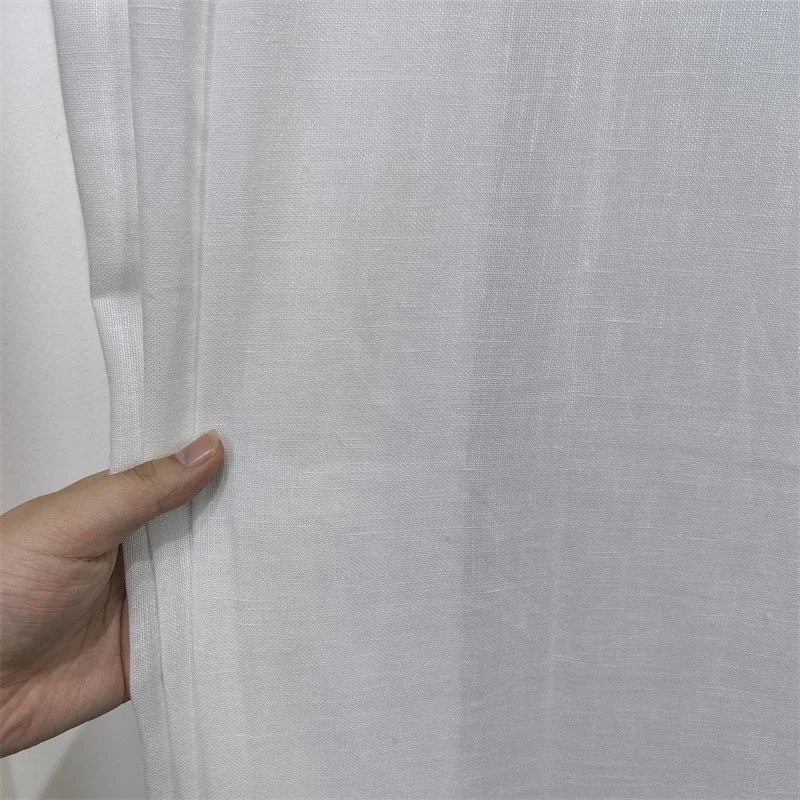
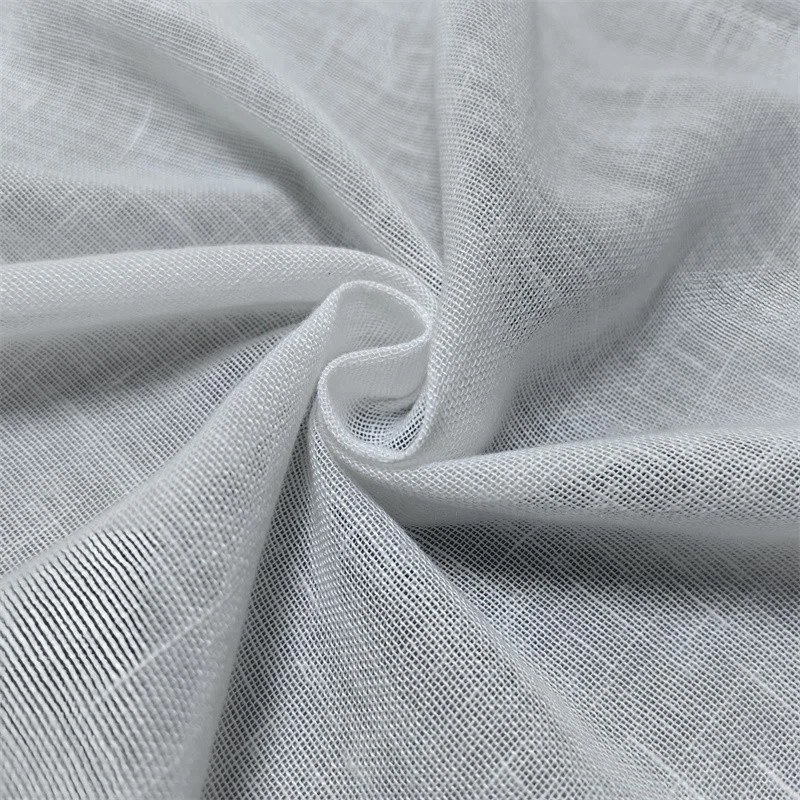
The Nature of Linen
Linen is a natural fiber made from the flax plant. It has been used for centuries in various applications, from clothing to home textiles, due to its numerous beneficial properties. One of the most notable characteristics of linen is its breathability. The structure of linen fibers allows air to circulate freely, making it an ideal material for items that come into contact with the human body or need to maintain a well - ventilated environment.
The fibers of linen are long, hollow, and porous. This unique structure enables air to pass through easily, which is crucial for breathability. When used in curtains, these breathable qualities can have several positive effects on your living space.
Breathability in Linen Sheer Curtains
Linen sheer curtains are designed to allow light to filter through while still providing a degree of privacy. Their semi - transparent nature is not the only advantage; their breathability also plays a significant role in enhancing the overall comfort of a room.
In a well - ventilated room, fresh air can flow in and out, carrying away stale air, moisture, and odors. Linen sheer curtains do not impede this airflow. Instead, they work in harmony with the natural ventilation of a space. For example, during the day, when you open your windows, the breeze can pass through the curtains, distributing the fresh air evenly throughout the room. This can help prevent the build - up of humidity, which is beneficial for preventing mold and mildew growth, especially in areas with high moisture levels such as bathrooms or kitchens.
Moreover, in hot weather, breathable curtains can act as a natural cooler. As air passes through the linen fibers, it can help reduce the temperature in the room by a few degrees. This is because the evaporation of moisture from the fabric surface has a cooling effect, similar to how sweating cools our bodies.
Comparing with Other Sheer Curtain Materials
To better understand the breathability of linen sheer curtains, it's useful to compare them with other types of sheer curtains available in the market.
Flame Retardant Sheer Curtain
Flame Retardant Sheer Curtain is often made with special chemical treatments to meet fire safety standards. While these curtains offer an important safety feature, the chemical treatments can sometimes affect the fabric's breathability. Some flame - retardant coatings may create a barrier on the fabric surface, reducing the amount of air that can pass through. In contrast, linen sheer curtains, being a natural material, do not have such coatings that could hinder airflow.
Jacquard Sheer Curtain
Jacquard Sheer Curtain is known for its intricate patterns and designs. These curtains can be made from a variety of materials, including synthetic fibers. Synthetic fibers generally have different breathability characteristics compared to linen. They may not allow air to circulate as freely as linen because they often have a more compact and less porous structure. Linen's natural porosity gives it an edge in terms of breathability over many synthetic - based jacquard sheer curtains.
Cotton Polyester Sheer Curtain
Cotton Polyester Sheer Curtain is a popular choice due to its affordability and durability. However, polyester is a synthetic fiber, and when combined with cotton, the breathability can be somewhat compromised. Polyester fibers are less breathable than natural linen fibers. The addition of polyester can make the fabric less porous and reduce the overall airflow through the curtain. Linen sheer curtains, on the other hand, maintain their high - level breathability due to the nature of the flax fibers.
Factors Affecting the Breathability of Linen Sheer Curtains
While linen is inherently breathable, there are some factors that can influence the actual breathability of linen sheer curtains.
Weave Density
The weave density of the curtain fabric plays a crucial role. A looser weave allows more air to pass through, resulting in better breathability. In contrast, a tightly woven linen sheer curtain may restrict airflow to some extent. When choosing linen sheer curtains, it's important to consider the weave density based on your ventilation needs.
Thickness
Thicker linen sheer curtains may be less breathable than thinner ones. Thicker fabrics have more layers of fibers, which can impede the passage of air. However, thicker curtains may offer more privacy and light - blocking capabilities. It's a trade - off that you need to consider based on your specific requirements for a room.
Maintenance
Proper maintenance of linen sheer curtains is also important for maintaining their breathability. Over time, dust and dirt can accumulate on the fabric, clogging the pores of the linen fibers and reducing airflow. Regular cleaning, such as gentle machine washing or dry cleaning, can help keep the curtains breathable.
Benefits of Breathable Linen Sheer Curtains
The breathability of linen sheer curtains brings a host of benefits to your living space.
Health Benefits
As mentioned earlier, breathable curtains help maintain a well - ventilated environment, which is beneficial for your health. By reducing humidity and preventing the growth of mold and mildew, they can improve indoor air quality. This is especially important for people with respiratory problems or allergies, as clean and fresh air can reduce the risk of allergic reactions and respiratory infections.
Energy Efficiency
In hot weather, the cooling effect of breathable linen sheer curtains can reduce the need for air conditioning. By allowing natural ventilation and providing a slight cooling effect, these curtains can help lower your energy consumption, which is not only good for the environment but also for your wallet.
Aesthetic Appeal
Apart from their functional benefits, linen sheer curtains also add a touch of elegance and warmth to a room. The natural texture of linen gives the curtains a soft, organic look that can complement a variety of interior design styles, from traditional to modern.
Conclusion
In conclusion, linen sheer curtains are indeed breathable. Their natural fiber structure, combined with the porous nature of linen, allows for excellent air circulation. Compared to other types of sheer curtains, such as Flame Retardant Sheer Curtain, Jacquard Sheer Curtain, and Cotton Polyester Sheer Curtain, linen sheer curtains offer superior breathability, along with a range of other benefits including health advantages, energy efficiency, and aesthetic appeal.
If you're interested in enhancing the comfort and style of your living space with breathable linen sheer curtains, I invite you to reach out for a procurement discussion. We can work together to find the perfect curtains that meet your specific needs and preferences.
References
- "Textiles: Science and Technology" by John R. Speakman
- "Interior Design: A Foundation Course" by Mary G. Nohl
- Various industry reports on curtain materials and their properties.