

Are velvet curtains good for sound insulation?

As a supplier of velvet curtains, I often get asked this question by customers who are looking to create a more peaceful and quiet environment in their homes or offices. In this blog post, I'll explore the science behind sound insulation and discuss whether velvet curtains are a good option for reducing noise.
Understanding Sound Insulation
Before we dive into the effectiveness of velvet curtains for sound insulation, it's important to understand how sound travels and what factors affect its ability to penetrate a material. Sound is a form of energy that travels in waves through the air. When these waves encounter an object, they can be absorbed, reflected, or transmitted through the material.
The ability of a material to block or reduce the transmission of sound is measured by its Sound Transmission Class (STC) rating. The STC rating is a scale that ranges from 0 to 100, with higher numbers indicating better sound insulation. For example, a material with an STC rating of 30 will reduce sound transmission by about 30 decibels (dB), while a material with an STC rating of 50 will reduce sound transmission by about 50 dB.
How Velvet Curtains Work for Sound Insulation
Velvet curtains are made from a dense, plush fabric that is known for its softness and luxurious appearance. This same density also makes velvet curtains effective at absorbing sound waves. When sound waves hit a velvet curtain, they are absorbed by the fabric's fibers, which convert the sound energy into heat energy. This process reduces the amount of sound that is transmitted through the curtain and into the room.
In addition to their sound-absorbing properties, velvet curtains can also help to block out external noise by creating a barrier between the room and the outside world. The thick fabric of the curtain acts as a physical barrier that prevents sound waves from entering the room. This can be especially effective in reducing noise from traffic, construction, or other sources of external noise.
Factors Affecting the Sound Insulation of Velvet Curtains
While velvet curtains can be effective at reducing noise, their effectiveness depends on several factors, including:
- Thickness and Density: The thicker and denser the velvet curtain, the better it will be at absorbing sound. A heavier velvet curtain will have more fibers to absorb the sound waves, which will result in better sound insulation.
- Length and Width: The length and width of the velvet curtain also play a role in its sound insulation properties. A longer and wider curtain will cover more surface area, which will help to block out more sound.
- Installation: The way the velvet curtain is installed can also affect its sound insulation properties. A curtain that is hung tightly against the wall and extends all the way to the floor will provide better sound insulation than a curtain that is loosely hung or does not cover the entire window.
- Quality of the Fabric: The quality of the velvet fabric used in the curtain can also affect its sound insulation properties. A high-quality velvet fabric will have a tighter weave and more fibers, which will result in better sound absorption.
Comparing Velvet Curtains to Other Sound Insulation Options
While velvet curtains can be effective at reducing noise, they are not the only option available for sound insulation. Other common sound insulation options include:
- Double Glazed Windows: Double glazed windows are designed to reduce noise by creating a layer of air between two panes of glass. This layer of air acts as a barrier that reduces the transmission of sound waves.
- Soundproofing Panels: Soundproofing panels are made from materials such as fiberglass, foam, or mineral wool, and are designed to absorb sound waves. These panels can be installed on walls, ceilings, or floors to reduce noise.
- Carpeting: Carpeting is another effective way to reduce noise in a room. The soft fibers of the carpet absorb sound waves, which reduces the amount of noise that is reflected back into the room.
When comparing velvet curtains to other sound insulation options, it's important to consider the specific needs and requirements of your space. While double glazed windows and soundproofing panels may provide better sound insulation than velvet curtains, they can also be more expensive and difficult to install. Velvet curtains, on the other hand, are a relatively inexpensive and easy-to-install option that can provide a significant reduction in noise.
Our Velvet Curtain Products
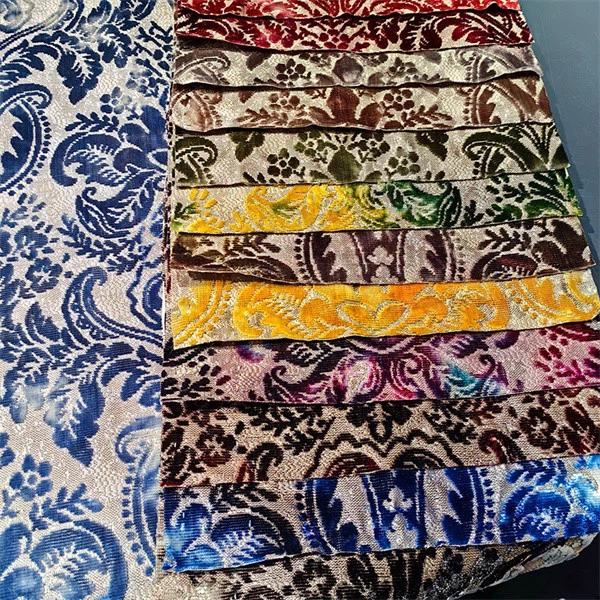
At our company, we offer a wide range of velvet curtains that are designed to provide excellent sound insulation. Our Cutting Jacquard Velvet Curtain is a luxurious and stylish option that is made from high-quality velvet fabric. The cutting jacquard design adds a touch of elegance to any room, while the dense fabric provides excellent sound absorption.
Our Classic Velvet Curtain is another popular option for sound insulation. This classic design is available in a variety of colors and sizes, making it easy to find the perfect curtain for your space. The thick velvet fabric of the curtain provides excellent sound absorption, while the simple design makes it a versatile choice for any decor style.
Conclusion
In conclusion, velvet curtains can be a good option for sound insulation. The dense, plush fabric of the curtain is effective at absorbing sound waves, which can help to reduce the amount of noise that is transmitted through the curtain and into the room. While velvet curtains may not provide the same level of sound insulation as double glazed windows or soundproofing panels, they are a relatively inexpensive and easy-to-install option that can provide a significant reduction in noise.
If you're interested in learning more about our velvet curtain products or would like to discuss your sound insulation needs, please don't hesitate to contact us. We would be happy to help you find the perfect curtain for your space.
References
- "Sound Transmission Class (STC) Ratings." Building Science Corporation.
- "Soundproofing 101: How to Soundproof a Room." Family Handyman.
- "The Science of Sound Insulation." Acoustical Surfaces, Inc.