

If you’ve ever pulled back a curtain and noticed it’s sticking, making weird scraping sounds, or even slipping off the track entirely, you know how quickly a small maintenance issue can turn into a frustrating daily annoyance. As a curtain track supplier, I’ve spent years working with homeowners, interior designers, and contractors to figure out exactly how to keep these seemingly simple hardware pieces running smoothly for years—and I’ve learned that most problems stem from skipping basic, regular upkeep. The good news is that maintaining a curtain track isn’t complicated; it just takes a little consistency and a few simple tools to avoid costly replacements or repairs down the line.
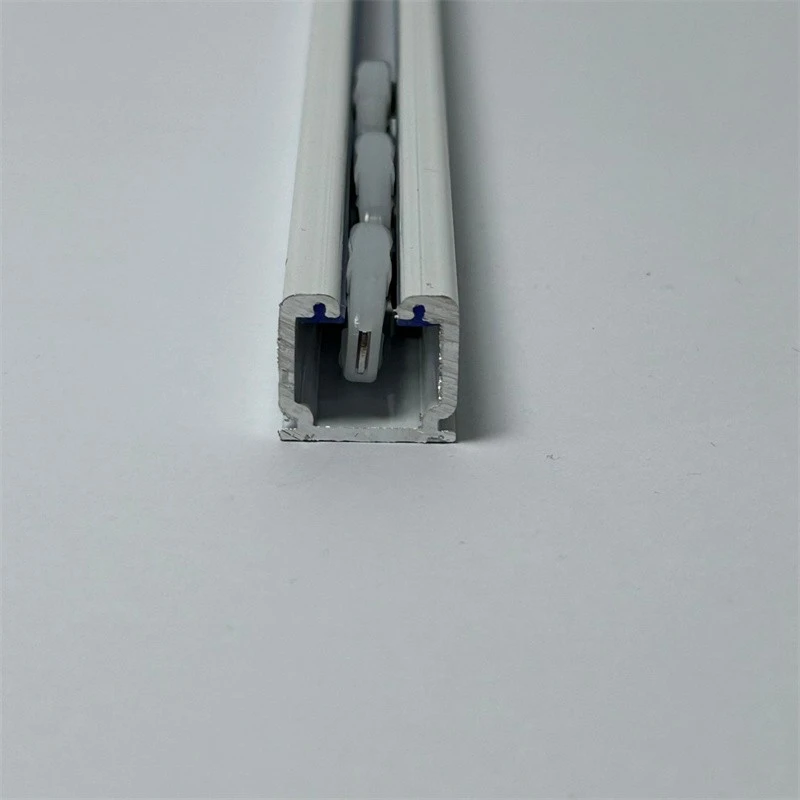
First, it’s important to note that not all curtain tracks are created equal, and the best maintenance routine can shift slightly depending on what type of track you have. For example, many of our most popular products are made from durable materials like aluminum, which stands up better to dust and humidity than plastic, but still needs specific care to stay in top shape. Our straight curtain tracks, like the Aluminium Alloy Curtain Track, are a staple for most standard window setups in living rooms and bedrooms, while our bendable tracks are ideal for bay windows or arched openings—both of which have unique wear points to watch.
Starting with the basics: regular cleaning is the foundation of curtain track maintenance. Dust, pet hair, and even tiny crumbs from snack crates can build up in the track’s grooves over time, gunking up the roller mechanisms that the curtain slides on. I recommend setting a monthly reminder to clean your tracks, even if they look “fine” at first glance. The easiest way to do this is to first remove your curtains—most curtain hooks or rings just slide off the end of the track, so this step takes less than a minute. Once the curtains are off, use a soft, dry microfiber cloth to wipe along the top and bottom of the track, getting into all the small crevices. For tougher dust or grime, a slightly damp cloth (not soaking wet—water can damage the metal or plastic parts over time) works well. I always advise against using harsh chemical cleaners, like window spray or all-purpose disinfectant, because these can leave a slippery residue that actually makes rollers stick more, or even corrode metal tracks over months of use.
If you have a bendable curtain track, like our Aluminium Alloy Bendable Curtain Track, you’ll want to pay extra attention to the flexible seam joints that allow the track to curve. These joints are where small debris often gets trapped, because the gap between the track segments is wider than the straight parts. To clean these areas, a cotton swab (the standard kind, not the big makeup ones) is perfect for getting into tight spaces. Just gently run the swab along each joint to pick out any hair or dust, then wipe the joint with a dry cloth to make sure no moisture is left behind. I’ve seen too many bendable tracks get stuck because debris builds up in these joints, making it impossible to smoothly slide the curtain around a bay window or curve.
Next, lubrication is a step that many people skip, but it’s one of the most effective ways to prevent sticking and extend the life of your track. The key here is to use the right type of lubricant—never use things like cooking oil, petroleum jelly, or even WD-40, because these will attract more dust and create a sticky mess over time. Instead, opt for a lightweight, dry lubricant specifically designed for sliding mechanisms, like silicone spray or Teflon lubricant. These products leave a smooth, non-greasy film that keeps rollers moving without attracting debris.
When to lubricate? I suggest doing this every 3 to 6 months, depending on your environment. If you have a lot of pets that shed, or live in a dusty area, you’ll want to do it every 3 months; if you live in a low-dust apartment with no pets, every 6 months is fine. The process is simple: after cleaning the track (and letting it dry completely, if you used a damp cloth), hold the lubricant can about 6 to 8 inches away from the track and spray a light line along the length of the groove. You don’t need to douse it—just a thin, even coat is enough. Then, gently move the curtain back and forth a few times to distribute the lubricant evenly across all the rollers. For bendable tracks, make sure to lubricate along the entire curved length, paying a little extra attention to the joints.
Another common issue with curtain tracks is loose hardware. Over time, constant pulling and sliding can loosen the screws that hold the track to the wall or ceiling, or the end caps that keep the rollers from slipping off the track. This is an easy fix—just check all the screws once every 6 months with a small screwdriver to make sure they’re tight. If the end caps are loose, you can usually just push them back into place or tighten the tiny set screw on the side of the cap. For tracks that are installed on high ceilings, I recommend doing this check before seasonal changes, because temperature fluctuations can cause wood or drywall to expand and contract, loosening screws even more.
For those with more flexible tracks, like our Stretchable Curtain Track designed for large, custom-sized windows, there’s an extra step to keep in mind: avoid over-stretching the track beyond its intended length. Even though our stretchable tracks are made to adjust to fit varying window widths, forcing them to stretch more than the recommended range (usually up to 10% longer than the minimum length) can wear out the internal mechanisms and cause sagging over time. If you’re replacing a track for a large opening, it’s better to choose a slightly longer stretchable track that can fit without being pulled taut, rather than forcing a smaller track to extend too far.
One mistake I see homeowners make all the time is not addressing small issues before they turn into big ones. If your curtain is starting to stick in one specific spot, don’t wait until it’s completely stuck—take a minute to clean that spot with a cotton swab, lubricate it, and check for any debris. I once had a customer who had a bay window with a bendable track that was sticking in the middle of the curve; they waited three months to fix it, and by then the debris had caused a small bend in the track that required a full replacement, instead of the $5 cleaning and lubrication that would have fixed it immediately.
For people with heavier curtains, like blackout curtains or drapery panels that are 10 pounds or more, the track’s weight capacity is another important factor to consider for maintenance. Even the best lubrication and cleaning won’t fix a track that’s overloaded. Make sure your track is rated to support the total weight of your curtains and hardware (like tie-backs or decorative finials). All of our tracks, including the Aluminium Alloy Curtain Track and Aluminium Alloy Bendable Curtain Track, come with weight ratings listed on their product pages, so you can easily check before installing heavy curtains. If you’re upgrading to heavier curtains, you may need to upgrade to a sturdier track to avoid sagging or stress damage.
Seasonal maintenance is also key, especially if you live in an area with extreme temperature or humidity changes. In winter, when windows are closed and heating is running, the air is drier, which can make metal tracks slightly more prone to static—this can cause curtains to stick or even slide unevenly. A quick wipe with a humid cloth (or a light spritz of air humidifier near the window) can help reduce static. In summer, high humidity can lead to mold or mildew if there’s leftover moisture on the track, so make sure the track is completely dry after cleaning during humid months.
If you notice rollers that are worn out or cracked, don’t try to repair them—replacing the rollers is a cheap, easy fix that can save you from having to replace the entire track. Most curtain track rollers are standard sizes, so you can order replacement rollers from most hardware stores or directly from us. To replace them, just slide the old roller out of the track and snap the new one in place—no special tools needed. I recommend keeping a spare set of rollers on hand, especially if you have bendable or stretchable tracks, since their joints can put a little more stress on rollers over time.
At the end of the day, maintaining your curtain track is all about being consistent, not perfect. A few simple steps each month can add years of life to your track, prevent frustrating daily problems, and save you money in repair or replacement costs. Whether you have a straight aluminium track for your living room, a bendable track for your bay window, or a stretchable track for a custom-sized opening, taking time to care for your track will keep your curtains sliding smoothly for years.
If you have questions about choosing the right track for your space, or need guidance on maintenance for your specific type of track, feel free to reach out to our team for personalized help. We’re here to support homeowners and designers in keeping their window hardware in top shape, so don’t hesitate to get in touch to discuss your needs.

References:
- International Home Furnishings Manufacturers Association. (2022). Best Practices for Residential Window Hardware Maintenance.
- Curtain Track Industry Technical Standards Board. (2023). Material Care Guidelines for Curtain Tracks.
- Petal, L. (2021). "Extending the Lifespan of Window Treatments Through Regular Maintenance." Interior Design Today, 45(3), 112-117.
- National Association of Home Builders. (2022). Home Maintenance Checklist: Window Hardware Edition.