

Pleated velvet curtains are a luxurious and elegant addition to any space, offering both aesthetic appeal and practical functionality. As a seasoned velvet curtain supplier, I'm excited to share a detailed guide on how to make these stunning curtains. Whether you're a DIY enthusiast or a professional decorator, this guide will walk you through the process step by step.

Materials and Tools
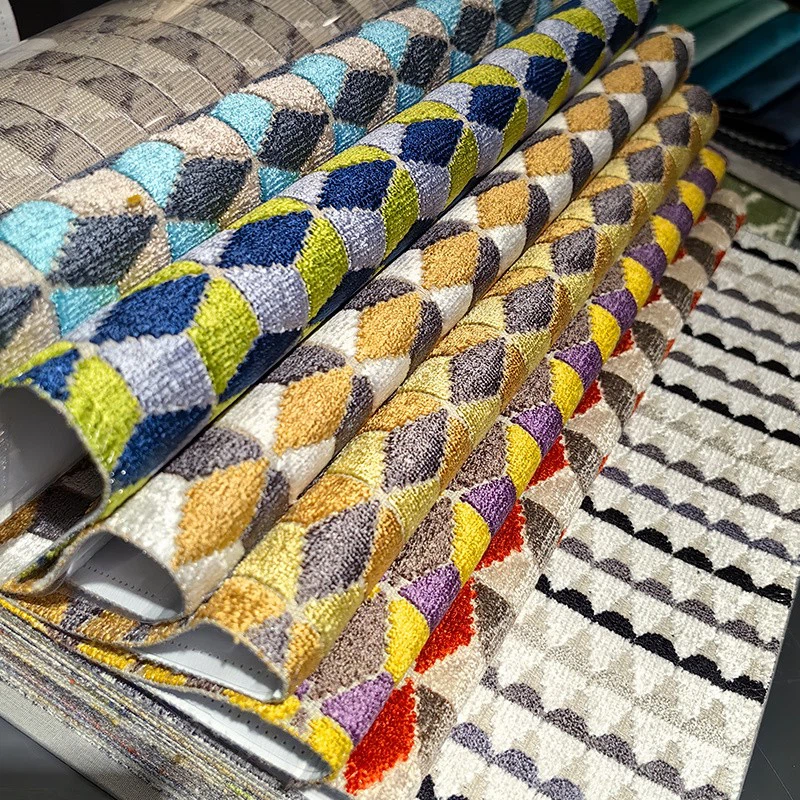
Before you begin, gather the necessary materials and tools. You'll need high - quality velvet fabric, curtain lining (optional but recommended for insulation and light blocking), curtain tape, thread that matches your fabric, a sewing machine, scissors, a measuring tape, pins, and a pencil. As a velvet curtain supplier, I can attest that the quality of your fabric is crucial. A good velvet fabric will have a rich color, a soft texture, and a durable pile.
Step 1: Measuring
Accurately measuring your window is the first and most important step. Measure the width of your window. If you want the curtains to fully cover the window when closed and have some fullness, multiply the width of the window by at least 2.5. For example, if your window is 48 inches wide, you'll need a curtain width of 120 inches (48 x 2.5).
Measure the length from the top of where you'll hang the curtain rod to the desired length of the curtain. Add a few extra inches for hemming. If you're using a curtain lining, measure it to the same dimensions as the velvet fabric.
Step 2: Cutting the Fabric
Lay your velvet fabric out on a clean, flat surface. Make sure the fabric is smooth and free of wrinkles. Use your measuring tape and pencil to mark the dimensions you calculated in the previous step. Cut the fabric carefully with sharp scissors. If you're using a curtain lining, cut it to the same size as the velvet.
When cutting velvet, it's important to be precise as the fabric can be quite thick and difficult to re - cut. For more detailed information on cutting velvet, you can refer to Cutting Jacquard Velvet Curtain.
Step 3: Hemming
Hemming gives your curtain a finished look. Fold the bottom edge of the velvet fabric up by about 2 inches and press it with an iron. Then, fold it up another 1 inch and press again. Sew the hem in place using a straight stitch on your sewing machine. Repeat this process for the curtain lining if you're using one.
Next, hem the side edges. Fold the edges over by about 1/2 inch and press, then fold them over another 1/2 inch and press again. Sew these hems in place as well. Make sure your stitches are even and tight to prevent fraying.
Step 4: Attaching the Lining (Optional)
If you've decided to use a curtain lining, place the lining on top of the velvet fabric, with the right sides together. Pin the two layers together along the top edge. Sew the layers together using a 1/2 - inch seam allowance. Then, turn the curtain right - side out so that the lining is on the inside. Press the top edge flat to remove any wrinkles from the seam.
Step 5: Installing the Curtain Tape
The curtain tape is what will allow you to hang your curtain on the rod. Place the curtain tape along the top edge of the curtain, with the pockets facing up. Pin the tape in place, making sure it's straight and aligned with the edge of the curtain.
Sew the curtain tape to the curtain using a zig - zag stitch on your sewing machine. This will help prevent the fabric from fraying and keep the tape secure. Make sure to sew close to the edge of the tape to ensure it holds well.
Step 6: Creating the Pleats
There are several types of pleats you can choose from, such as pinch pleats, goblet pleats, or knife pleats. Pinch pleats are one of the most common and elegant styles.
To create pinch pleats, start at one end of the curtain. Fold a small section of the curtain fabric back onto itself, creating a pleat. Pinch the fabric at the top to form a sharp point. Use a pin to hold the pleat in place. Space the pleats evenly along the top of the curtain.
Once you've pinned all the pleats in place, sew them down using a straight stitch on your sewing machine. Make sure to sew through all layers of the pleat and the curtain tape. This will secure the pleats and give them a professional finish.
Step 7: Finishing Touches
After sewing the pleats, remove all the pins from the curtain. Check the curtain for any loose threads or uneven stitches and trim or fix them as needed. Press the curtain one last time to give it a smooth and polished look.
Different Styles of Pleated Velvet Curtains
Pleated velvet curtains come in a variety of styles to suit different decor themes. The Classic Velvet Curtain style features simple, elegant pleats that add a touch of sophistication to any room. Whether you're decorating a traditional living room or a modern bedroom, classic pleated velvet curtains can make a statement.
For a more contemporary look, you can experiment with different pleat sizes and patterns. Larger pleats can create a bold and dramatic effect, while smaller pleats give a more refined and delicate appearance.
Care and Maintenance
Once your pleated velvet curtains are installed, it's important to take proper care of them. Velvet is a relatively delicate fabric, so avoid dragging or pulling on the curtains. When cleaning, use a soft - bristle brush to gently remove dust. For more stubborn stains, it's best to take the curtains to a professional cleaner who specializes in cleaning velvet.
Conclusion
Making pleated velvet curtains is a rewarding project that allows you to add a personalized touch to your home decor. By following these steps and using high - quality materials, you can create beautiful curtains that will enhance the look and feel of any room.
As a reliable velvet curtain supplier, I'm here to provide you with top - quality velvet fabrics and curtain accessories. If you're interested in purchasing materials for your next curtain project or have any questions about our products, I encourage you to reach out to me for purchase and negotiation discussions. I'm confident that our products will meet your needs and exceed your expectations.
References
- "Curtain Making Basics" - A comprehensive guidebook on curtain construction techniques.
- Various industry - specific fabric and curtain care brochures.