

Linen look sofa fabric is a popular choice for many homeowners due to its natural and textured appearance, which can bring a touch of rustic charm and elegance to any living space. However, one common issue that users often encounter is sagging, which not only affects the aesthetic appeal of the sofa but also its overall comfort and durability. As a supplier of Linen Look Sofa Fabric, I understand the importance of maintaining the quality of this fabric. In this blog, I'll share some effective strategies to prevent linen look sofa fabric from sagging.
Understanding the Causes of Sagging
Before we delve into prevention methods, it's essential to understand why linen look sofa fabric sags. There are several factors contributing to this problem:
1. Material Quality
The quality of the fabric itself plays a significant role. Lower - quality linen look fabrics may not have the proper weave or strength to withstand regular use. These fabrics may be made from inferior fibers or have a looser weave, making them more prone to stretching and sagging over time.
2. Overloading
If the sofa is constantly overloaded with heavy objects or a large number of people sitting on it, the fabric will be under excessive stress. This can cause the fibers in the fabric to stretch beyond their normal capacity, leading to sagging.
3. Improper Installation
During the manufacturing process of the sofa, if the linen look fabric is not installed correctly, it can result in uneven tension. This unevenness can cause certain areas of the fabric to bear more weight than others, leading to premature sagging.
4. Lack of Support
The internal structure of the sofa, such as the springs and frames, provides support for the fabric. If the support system is weak or damaged, the fabric will not be able to maintain its shape, and sagging will occur.

Prevention Strategies
1. Choose High - Quality Fabric
As a supplier, I always recommend customers to choose high - quality linen look sofa fabric. High - quality fabrics are usually made from better fibers and have a tighter weave, which provides more resistance to stretching. When selecting the fabric, pay attention to its durability rating and check for any signs of poor workmanship, such as loose threads or uneven dyeing.
2. Limit Overloading
Educate users about the weight limits of the sofa. Avoid placing heavy objects like large suitcases or multiple people on the sofa at once. By distributing the weight evenly, you can reduce the stress on the fabric and prevent it from sagging. For example, if there are multiple people sitting on the sofa, encourage them to spread out evenly instead of all sitting in one area.
3. Ensure Proper Installation
Work with professional sofa manufacturers or upholsterers who have experience in working with linen look fabrics. They know how to install the fabric correctly to ensure even tension across the entire surface of the sofa. This includes stretching the fabric tightly during installation and securing it properly to the frame.
4. Strengthen the Support System
A well - supported sofa is less likely to have sagging fabric. Consider using high - quality springs and a sturdy frame when manufacturing the sofa. For existing sofas, you can add additional support, such as wooden slats or metal brackets, to reinforce the structure. This will help distribute the weight more evenly and reduce the strain on the fabric.
5. Regular Maintenance
- Vacuuming: Regularly vacuum the sofa to remove dust, dirt, and debris that can accumulate on the fabric. This not only keeps the fabric clean but also prevents the particles from grinding against the fibers, which can weaken them over time.
- Fluffing and Rotating Cushions: Fluff the cushions regularly to redistribute the filling and maintain their shape. Rotate the cushions periodically so that they wear evenly. This will prevent one side of the fabric from sagging more than the other.
- Avoid Direct Sunlight: Prolonged exposure to direct sunlight can cause the fabric to fade and become brittle, making it more prone to sagging. Use curtains or blinds to protect the sofa from direct sunlight during the day.
Comparison with Other Sofa Fabrics
It's also interesting to compare linen look sofa fabric with other popular sofa fabrics like Velvet Sofa Fabric and Cheniile Sofa Fabric in terms of sagging prevention.
1. Velvet Sofa Fabric
Velvet is a luxurious fabric known for its softness and smooth appearance. However, it can also be prone to sagging, especially if it is not properly cared for. Unlike linen look fabric, velvet is more sensitive to crushing and can lose its pile if not fluffed regularly. To prevent sagging, velvet sofas need to be treated gently and have their cushions fluffed frequently.
2. Cheniile Sofa Fabric
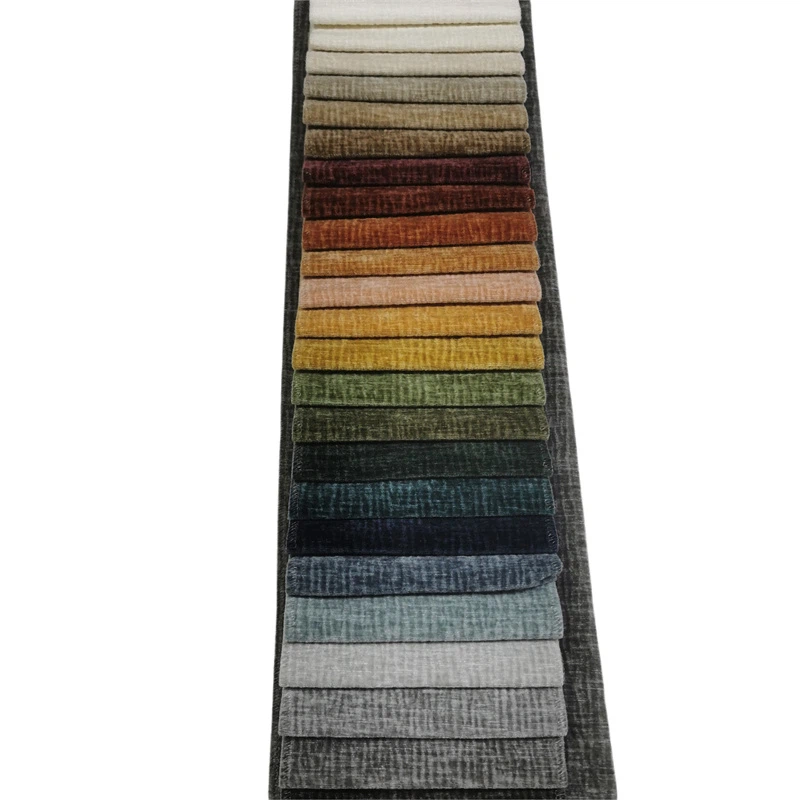
Chenille is a fuzzy fabric that provides a warm and cozy feel. It is relatively more resistant to sagging compared to some other fabrics due to its thick and dense texture. However, it can still sag if overloaded or not supported properly. Similar to linen look fabric, regular maintenance, such as vacuuming and rotating cushions, is essential for preventing sagging.
Conclusion
Preventing linen look sofa fabric from sagging requires a combination of proper selection, installation, and maintenance. As a supplier, I am committed to providing high - quality linen look sofa fabric and sharing these prevention tips with my customers. By following these strategies, you can ensure that your sofa maintains its beautiful appearance and comfort for a long time.
If you are interested in purchasing high - quality linen look sofa fabric or have any questions about preventing sagging, please feel free to contact us for further discussion. We are always here to assist you in finding the perfect fabric for your needs.
References
- Furniture Upholstery Handbook: A Comprehensive Guide to Upholstery Techniques and Materials.
- Textile Science and Technology: An Introduction to the Properties and Performance of Textiles.