

As a supplier of Velvet Sofa Fabric, I understand the importance of proper storage during the off - season. Velvet is a luxurious and delicate fabric, and incorrect storage can lead to a variety of issues such as creasing, discoloration, and damage from pests. In this blog, I will share some professional tips on how to store velvet sofa fabric effectively.
1. Clean the Fabric Thoroughly
Before storing your velvet sofa fabric, it is crucial to clean it properly. Even small amounts of dirt, dust, or stains can attract pests and cause discoloration over time. You can start by vacuuming the fabric gently using a soft - brush attachment. This will remove loose dirt and debris.
For more stubborn stains, it is recommended to use a specialized velvet cleaner. Make sure to test the cleaner on a small, inconspicuous area of the fabric first to ensure that it does not cause any discoloration or damage. Follow the instructions on the cleaner carefully and use a soft cloth to blot the stain rather than rubbing it, as rubbing can damage the delicate fibers of the velvet.
Once the fabric is clean, allow it to dry completely. Drying in a well - ventilated area is ideal, and avoid direct sunlight as it can fade the color of the velvet.
2. Choose the Right Storage Location
The storage location plays a vital role in preserving the quality of your velvet sofa fabric. First of all, the area should be cool and dry. High humidity can cause mold and mildew to grow on the fabric, while excessive heat can damage the fibers and cause the color to fade.
A basement or attic might seem like convenient storage spaces, but they are often prone to fluctuations in temperature and humidity. A closet in a climate - controlled room is a much better option. Make sure the closet is clean and free from dust and pests before you store the fabric.
Also, try to choose a location away from direct sunlight. Sunlight can gradually fade the rich color of the velvet, making it look dull and less appealing.
3. Protect the Fabric from Physical Damage
When storing velvet sofa fabric, you need to protect it from physical damage. One of the most common problems is creasing. To prevent this, you can roll the fabric instead of folding it. Rolling reduces the risk of permanent creases and maintains the smooth texture of the velvet.
Use a clean, acid - free cardboard tube to roll the fabric around. This provides a stable core and helps to keep the fabric in shape. Make sure the tube is large enough so that the fabric is not tightly compressed.
Once the fabric is rolled, you can wrap it in a breathable material such as cotton sheets or muslin. These materials allow the fabric to “breathe” while protecting it from dust and light. Avoid using plastic bags as they can trap moisture and cause mold growth.
4. Prevent Pest Infestation
Pests such as moths and silverfish can cause significant damage to your velvet sofa fabric. They are attracted to natural fibers and can chew holes in the fabric. To prevent pest infestation, you can use natural pest repellents.
Lavender sachets are a great option. Moths dislike the smell of lavender, and placing sachets around the stored fabric can help keep them away. Cedar chips are another natural repellent. You can place them in a breathable bag and keep it near the fabric.
It is also important to regularly check the storage area for any signs of pests. If you notice any pests or damage, take immediate action to address the problem.
5. Label and Document
To keep track of your stored velvet sofa fabric, it is a good idea to label and document the details. On the outside of the wrapping material, write down information such as the color, pattern, and quantity of the fabric. You can also take photos of the fabric before storage, which can be useful for reference.
This documentation will make it easier for you to find the fabric when you need it and ensure that you are aware of its condition.
6. Consider Using Additional Protective Layers
If you want to provide extra protection for your velvet sofa fabric, you can consider using additional layers. For example, you can place a layer of acid - free tissue paper between the fabric and the outer wrapping. This provides an extra barrier against dust and light.
You can also use a fabric - specific storage bag. These bags are designed to protect delicate fabrics and often have features such as UV protection and moisture - wicking properties.
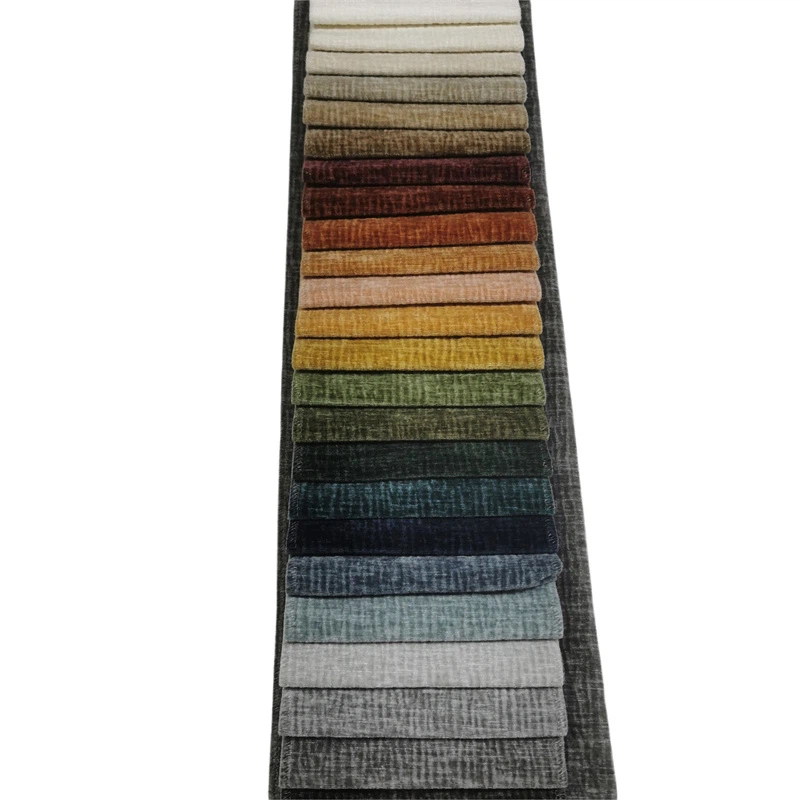

Comparing Velvet Sofa Fabric with Other Types
Velvet sofa fabric is known for its luxurious look and soft feel, but how does it compare with other types of sofa fabric? Let's take a look at Linen Look Sofa Fabric and Cheniile Sofa Fabric.
Linen look sofa fabric has a more casual and natural appearance. It is breathable and often more resistant to wrinkles compared to velvet. However, it may not have the same level of softness and richness as velvet.
Cheniile sofa fabric, on the other hand, is known for its plush texture. It is similar to velvet in terms of softness, but it may be more prone to pilling. Velvet, with its unique sheen and smoothness, offers a more elegant and sophisticated look.
If you are interested in exploring different types of sofa fabric, you can visit our website to check out our Velvet Sofa Fabric collection.
Conclusion
Proper storage of velvet sofa fabric during the off - season is essential to maintain its quality and appearance. By following the steps mentioned above, including cleaning the fabric, choosing the right storage location, protecting it from physical damage and pests, and labeling and documenting, you can ensure that your velvet sofa fabric remains in excellent condition.
If you are in the market for high - quality velvet sofa fabric or have any questions about storage or other aspects, we are here to help. We are a professional supplier of velvet sofa fabric, and we are committed to providing our customers with the best products and services. Feel free to contact us for more information and to start a procurement negotiation.
References
- “Fabric Care Guide” by the Textile Institute
- “Home Textile Storage Best Practices” by the National Association of Home Furnishings Retailers