

As a supplier of Classic Velvet Curtains, I've witnessed firsthand the evolution of printing techniques in the curtain industry. The choice between analog and digital printing for classic velvet curtains is a crucial decision that impacts not only the aesthetic appeal but also the functionality and cost - effectiveness of the product. In this blog, I'll delve into the differences between these two printing methods.
1. Definition and Basic Principles
Analog Printing
Analog printing, also known as traditional printing, has been around for centuries. For classic velvet curtains, it often involves techniques like screen printing. In screen printing, a stencil is created on a fine mesh screen. Ink is then forced through the open areas of the screen onto the velvet fabric. Each color requires a separate screen, which means that multi - color designs can be quite labor - intensive.
The process starts with the creation of a design on paper. This design is then transferred onto the screens. The screens are carefully aligned with the fabric, and the ink is applied using a squeegee. The pressure from the squeegee forces the ink through the screen and onto the velvet, creating the desired pattern.
Digital Printing
Digital printing, on the other hand, is a more modern approach. It uses digital files, such as JPEG or PNG images, to print directly onto the velvet fabric. The printer sprays tiny droplets of ink onto the fabric according to the digital design. This method allows for high - resolution printing and can reproduce complex designs with a vast range of colors.
The digital printing process begins with the creation or selection of a digital design. This design is then sent to a digital printer. The printer reads the digital file and sprays the ink onto the fabric in a precise pattern, creating the final printed curtain.
2. Quality of Print
Color Accuracy
In analog printing, achieving exact color matching can be a challenge. The color of the ink can vary slightly from batch to batch, and the process of mixing ink manually can lead to inconsistencies. Additionally, since each color is printed separately, there may be slight misalignments between colors, which can affect the overall appearance of the design.
Digital printing, however, offers superior color accuracy. The digital files can be calibrated to match specific color standards. The printer can reproduce colors with a high degree of precision, ensuring that the final print closely matches the original design. This is especially important for designs that require specific color palettes, such as corporate logos or brand - specific colors.
Detail and Resolution
Analog printing has limitations when it comes to fine details and high - resolution designs. The mesh size of the screen restricts the level of detail that can be achieved. Smaller details may be lost or appear blurry, especially in complex designs.
Digital printing, on the other hand, can handle extremely high - resolution designs. The tiny droplets of ink can create sharp, detailed images with a high level of clarity. This makes digital printing ideal for designs with intricate patterns, fine lines, or detailed imagery.
3. Cost Considerations
Setup Costs
Analog printing typically has high setup costs. Creating the screens for each color in a design can be time - consuming and expensive. The cost of materials for the screens, as well as the labor involved in preparing them, can add up quickly. This makes analog printing less cost - effective for small - scale production runs.
Digital printing, on the other hand, has relatively low setup costs. Since there is no need to create physical screens, the only cost is the creation of the digital design. This makes digital printing a more viable option for small - batch production or custom - made curtains.
Production Costs
For large - scale production, analog printing can be more cost - effective. Once the screens are created, the cost per curtain decreases as the volume of production increases. The cost of ink and labor for each additional curtain is relatively low.
Digital printing, however, has a higher cost per unit, especially for large - scale production. The cost of ink and the time required to print each curtain can make it more expensive than analog printing for high - volume orders.
4. Flexibility and Customization
Design Changes
Making design changes in analog printing can be difficult and costly. Once the screens are created, any changes to the design require new screens to be made. This can be time - consuming and may result in additional costs.
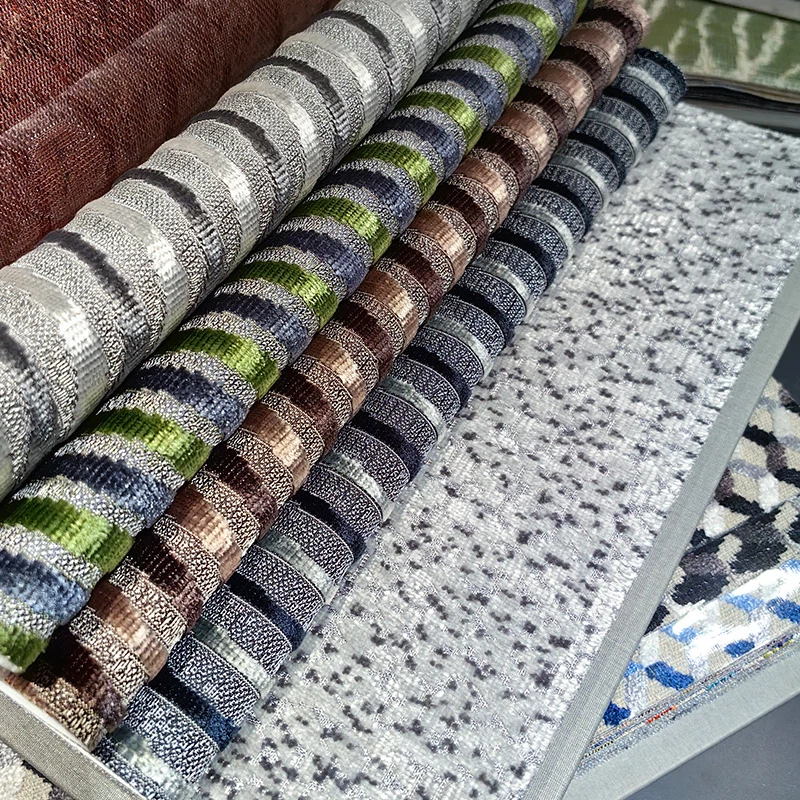

Digital printing offers much more flexibility in terms of design changes. Since the design is stored digitally, it can be easily modified. This allows for quick turnaround times for custom orders or changes to existing designs.
Customization Options
Digital printing provides a wider range of customization options. It can print on a variety of fabric types and sizes, and it can reproduce any digital design, no matter how complex. This makes it ideal for creating unique, one - of - a - kind curtains.
Analog printing, while still capable of producing beautiful designs, is more limited in terms of customization. The process is better suited for traditional, repetitive patterns.
5. Environmental Impact
Ink and Chemicals
Analog printing often uses large amounts of ink and chemicals. The process of mixing and applying ink can result in waste, and some of the chemicals used in the printing process can be harmful to the environment.
Digital printing generally uses less ink and fewer chemicals. The inkjet technology is more precise, which reduces waste. Additionally, many digital printers use eco - friendly inks that are less harmful to the environment.
Energy Consumption
Analog printing requires a significant amount of energy to operate the machinery used in the screen - making and printing processes. The drying process for the ink also consumes a large amount of energy.
Digital printing is more energy - efficient. The printers use less power, and the drying process is often quicker and requires less energy.
6. Durability
Color Fastness
In analog printing, the ink is often absorbed into the fabric fibers, which can result in good color fastness. However, the quality of color fastness can vary depending on the type of ink used and the printing process.
Digital printing can also provide good color fastness, especially when using high - quality inks. The ink is bonded to the fabric surface, which helps to prevent fading over time.
Wear and Tear
Analog - printed curtains may be more prone to wear and tear in areas where the ink has been applied. The repeated rubbing or cleaning of the curtain can cause the ink to fade or crack.
Digital - printed curtains are generally more resistant to wear and tear. The ink is applied in a more uniform manner, which makes the print more durable.
Conclusion
In conclusion, both analog and digital printing have their own advantages and disadvantages when it comes to classic velvet curtains. Analog printing is a traditional method that is well - suited for large - scale production of repetitive patterns. It has a certain charm and can produce high - quality prints, but it has limitations in terms of color accuracy, detail, and customization.
Digital printing, on the other hand, offers superior color accuracy, high - resolution printing, and greater flexibility. It is ideal for small - batch production, custom - made curtains, and designs with complex details. However, it can be more expensive for large - scale production.
As a supplier of Classic Velvet Curtain, I understand the importance of choosing the right printing method for your needs. Whether you're looking for a traditional, timeless look or a modern, customized design, we can help you find the perfect solution. We also offer Cutting Jacquard Velvet Curtain with different printing options to meet your specific requirements.
If you're interested in purchasing classic velvet curtains or have any questions about our products, please feel free to contact us for a consultation. We look forward to working with you to create the perfect curtains for your space.
References
- "Textile Printing: Principles and Practice" by T. N. Narayanan
- "Digital Textile Printing: Technology and Applications" by R. M. Hameed