

If you’ve ever run your fingers over the pile of a well-made classic velvet curtain, you know the difference between fabric that feels like a warm, luxurious hug and material that falls flat. As a supplier of classic velvet curtains, I get asked this question more than any other by new customers, DIY sewers, and even other curtain makers: Are classic velvet curtains difficult to sew? The short answer is yes—but only if you go into the process without understanding velvet’s unique characteristics, or the specific techniques that keep its pile from looking choppy, uneven, or worn out after a few washes. Over the past decade, I’ve worked with sewers ranging from first-timers to master craftspeople, and I’ve seen projects go right and wrong because of small choices like how you cut the fabric, where you place your stitches, and even the direction you run your hand along the curtain’s pile.
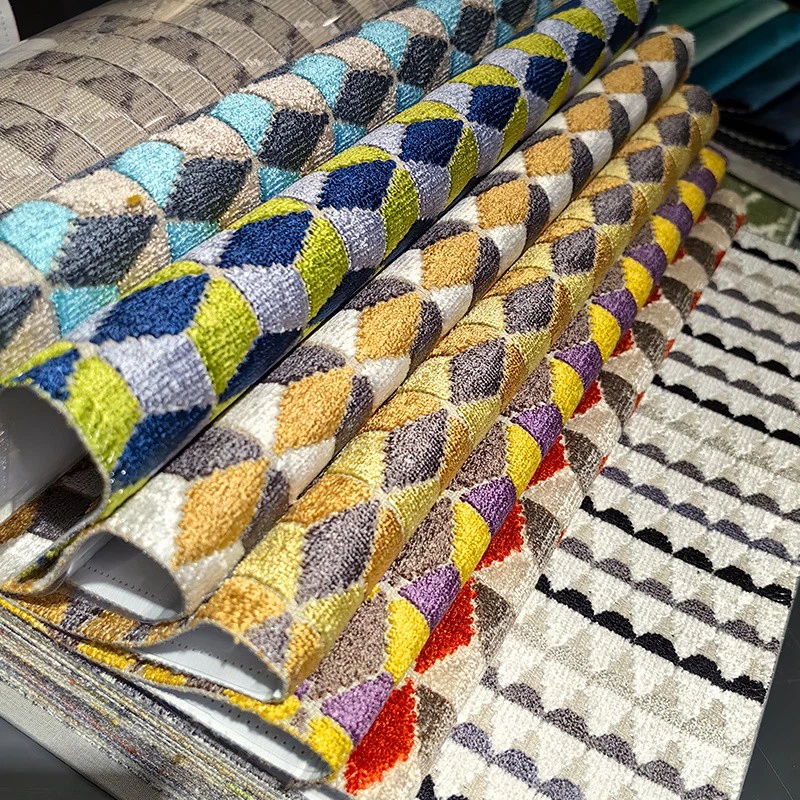
First, let’s get one thing straight: not all velvet is the same. The classic velvet we supply for our products is a cut pile velvet, meaning each individual thread is cut to create that soft, lustrous surface everyone loves. Unlike brushed fabrics or woven cotton, cut pile velvet has a “nap” – a directional grain that makes it look darker and less shiny when you run your hand one way, and brighter when you run it the other. This nap is the core of what makes classic velvet curtains special, but it’s also the biggest reason sewing them feels tricky. If you’re not paying attention to the nap direction, your curtain will have mismatched panels that look like two different shades, and no amount of ironing or steaming will fix that. I’ve seen a DIY sewer cut two panels for their living room set without matching the nap, and they ended up with one bright side facing the window and one dark side facing the room—they had to re-cut the entire fabric and spent twice as much time to fix their mistake.
That’s why the first step to sewing classic velvet curtains correctly isn’t reaching for your sewing machine—it’s learning how to handle the fabric without damaging the pile. Most people assume velvet is delicate, and while it’s not as tough as canvas, it’s actually sturdier than you might think—if you treat it right. The biggest mistake sewers make is pinning the fabric too hard, or using pins that leave holes that don’t pop back out. Velvet’s threads are tightly woven, but when a pin pierces through, it can crush the pile and leave a permanent mark that’s visible once the curtain is hung. I always recommend using fabric weights instead of pins when working with velvet—small, flat weights that hold the fabric in place without piercing it. Another trick I teach our partner makers is to mark your cutting lines with chalk that’s specially made for velvet, so you don’t rub off the nap as you work.
Cutting is where a lot of sewing projects go off the rails, and classic velvet is no exception—this is where most people struggle, especially when they’re working with large panels that take up a lot of space. Unlike cotton or linen, where you can lay the fabric flat, line up pattern pieces, and cut straight lines, velvet’s nap shifts with pressure. If you pull the fabric tight while cutting, the pile will compress in that spot, and your cut edge will be uneven. This is why proper cutting technique is so important, and it’s why we’ve put together a detailed guide just for this process, linked here: Cutting Jacquard Velvet Curtain. Our guide walks you through laying the fabric out on a flat, clean surface, matching the nap of each panel exactly, and using a sharp rotary cutter instead of scissors (scissors can snip the pile unevenly and leave frayed edges that show once the curtain is hung). For our classic velvet curtains, we always cut panels slightly larger than the final size needed—this gives us room to adjust the nap and fix small shifts that happen during sewing, without having to worry about the final curtain being too short.
Once you’ve cut your panels, the next big challenge is sewing them without damaging the pile. Velvet’s thick pile can get caught in your sewing machine’s presser foot, which is why most standard presser feet are a bad choice for velvet. I’ve had customers tell me they tried using their regular all-purpose presser foot and ended up with a bunch of pulled threads along their seam line. The solution is a walking foot, or a Teflon-coated presser foot, which glides over the velvet’s pile instead of catching on it. A walking foot is especially important when sewing multiple layers of velvet, like when you’re making a double-fold hem or attaching a header for a curtain rod. The walking foot keeps both layers moving at the same speed, so you don’t get one layer shifting and creating a puckered seam that’s hard to fix.
Stitch length is another detail that trips up sewers working with classic velvet. Thick, tight stitches can leave permanent marks on velvet’s surface, especially when the fabric is folded over for a hem or seam. We recommend using a longer stitch length—around 3mm to 4mm—for all seams on velvet. This longer stitch is less likely to pull the pile or leave small indentations that are visible when the curtain is hung. When you’re done sewing a seam, it’s also important to press it carefully—never use a hot iron directly on velvet, as that will melt the pile’s synthetic fibers (most classic velvet curtains are made from a mix of polyester and rayon, which have different melting points). Instead, lay a press cloth (a soft, lint-free cotton cloth) over the seam, and use a steam iron on the lowest heat setting, hovering just above the fabric instead of pressing down. This will set the seam without damaging the pile.
Another common misconception is that classic velvet curtains are too heavy to hang properly. It’s true that velvet is heavier than many curtain fabrics, but that’s actually part of its charm—heavy velvet hangs straight, drape nicely, and looks more elegant than lightweight cotton. The key is choosing the right hardware: a sturdy curtain rod, and heavy-duty hooks or rings that can support the weight. When sewing the header for a classic velvet curtain, we recommend using a pocket header (a wide fabric loop at the top that slides over the rod) instead of tabs or rings attached directly to the panel. A pocket header distributes the weight evenly, so the curtain doesn’t pull or sag in the middle after a few months. We include specific instructions for header construction with every set of our classic velvet curtains, so even first-time sewers can get it right.
I’ve seen a lot of people give up on sewing velvet curtains because of one small mistake—like pinning too hard, cutting the nap wrong, or using the wrong presser foot. But here’s the thing: most of these mistakes are easy to avoid if you take your time and follow a few basic rules. Sewing classic velvet isn’t harder than sewing silk or wool, but it does require a bit more attention to detail, because you’re working with a fabric that’s designed to look soft and luxurious. Rushing through the process is the fastest way to end up with a curtain that looks cheap, not classic.
As a supplier of classic velvet curtains, I’ve spent years refining the techniques that make sewing (and using) these curtains easier, whether you’re making them from scratch or adjusting them for your home. We sell pre-cut, pre-measured classic velvet curtains that are sewn by experienced craftspeople, so you don’t have to worry about any of the small mistakes that come with sewing at home. If you’re considering sewing your own classic velvet curtains, our resources and support are available to help you get it right. If you’d rather skip the sewing process entirely, take a look at our ready-made collection of classic velvet curtains, available in a range of colors and sizes for any space.

If you’re looking for high-quality classic velvet curtains for your home or business, or if you’d like to learn more about working with velvet fabric for your next project, we encourage you to reach out for a consultation. Our team can answer all your questions about fabric care, construction, and finding the right style for your space, no matter what your sewing experience level is. We work with both individual homeowners and commercial clients, so whether you need a single set of curtains for your living room or a full set for a hotel lobby, we can help you find the perfect classic velvet curtains that meet your needs and budget.
References
- Textile Institute. (2021). Working with Cut Pile Fabrics: Best Practices for Sewing and Finishing. Journal of Textile and Apparel Technology and Management, 12(3), 45-52.
- Curtain Manufacturers Association. (2022). The Art of Classic Velvet Curtain Construction: Cutting, Sewing, and Hanging. Industry Guide for Residential and Commercial Installations.
- American Society of Interior Designers. (2020). Fabric Selection and Application for Window Treatments: Velvet’s Unique Properties and Care Requirements. Interior Design Journal, 91(7), 112-118.