

If you’ve ever been obsessed with that cozy, breezy nautical vibe—think sun-dappled beach cottages, sailboat sails flapping in the breeze, or quiet waterfront condos—you know the little details that make the space feel right. I’ve spent years as a linen sheer curtain supplier, and one question pops up more than any other when folks are putting together that nautical look: Are linen sheer curtains actually a good call here? Spoiler alert: The short answer is yes, but there’s way more to it than just grabbing any old sheer off a shelf. Let’s break this down like I’d chat with a customer over a coffee—no stuffy industry jargon, just real talk about what works for nautical spaces.
First, let’s ground ourselves in what “nautical style” actually is these days. It’s not just red and blue stripes (though that can work!). It’s about light, air, that unhurried feeling of being near water. Think natural textures, muted tones, minimal clutter—spaces that feel open, not heavy. Why does that matter for curtains? Your windows are one of the biggest design features in a room; they let in light, frame your view, and even affect how the whole space feels in terms of warmth and airflow. Nautical rooms don’t want curtains that are thick and dark—they need something that filters light, keeps the breezes coming, and doesn’t feel like it’s weighing the place down. That’s where sheers come in, and linen is a game-changer here.
Let’s start with linen’s superpower: breathability. If you’ve ever stayed in a beach house in the middle of summer, you know how sticky and humid it can get. Heavy curtains trap that moisture, make the room feel stuffy, and can even start to mildew over time (yikes—mildew is the last thing you want in a space that’s supposed to feel fresh). Linen is a natural fiber with loose, porous threads that let air flow right through. It’s like having a built-in breeze in your curtains. Unlike synthetic fabrics that hold onto heat, linen keeps the room cool during the day and warm enough at night, which is perfect for coastal areas where temperatures swing. Plus, that porous structure means it doesn’t trap odors from salt air, fried seafood, or whatever else might find its way into a waterfront space. That’s a huge win for long-term use.
Next up, the vibe. Linen has that specific, casual, lived-in look that’s so key to nautical design. It doesn’t look perfect and pressed—instead, it has subtle wrinkles, a soft, slubby texture, and a muted, natural hue that matches the ocean and sky way better than bright, shiny synthetic sheers. I’ve had customers tell me they picked linen over cotton or polyester sheers because it doesn’t feel “too new.” It has that well-loved, beachy feel right out of the package, not after months of wearing in. You can get linen sheers in soft whites, off-whites, gentle grays, even subtle blues that mirror the water—no need for loud patterns to get that nautical feel. It’s understated, which is exactly what modern nautical design is going for these days.
But wait, I know what some of you are thinking: Linen can be high-maintenance, right? It wrinkles, it stains easily, what about when there’s salt spray or a spilled drink at a waterfront gathering? Let’s be real—no one wants to stress over their curtains when they’re hosting a backyard cookout or a beach party. That’s why I always recommend pairing linen’s natural beauty with a bit of smart choice. If you’re worried about durability or safety, we’ve got options. For example, if you need a bit more sturdiness, check out our Cotton Polyester Sheer Curtain blend—It mixes linen’s texture with synthetic durability, so it holds up better to sun exposure and spills without losing that soft look. Or if safety is a big concern (especially if you have kids or pets), our Flame Retardant Sheer Curtain line is made to meet safety standards, so you get the nautical light feel plus peace of mind. Don’t get me wrong—pure linen is amazing, but sometimes a hybrid works better for busy coastal homes.
Another big point: light filtration. Nautical spaces rely on natural light to feel open. If you get blackout curtains, you’ll end up with a dark, cave-like room at noon, which totally kills the vibe. Linen sheers filter light perfectly—they diffuse harsh sunlight so you don’t get glares on your TV or computer, but still let in that warm, golden glow that makes a room feel inviting. In the morning, it’s like the sun is softly waking you up instead of blinding you. And in the evening, when you want to keep the room private but still see the stars or the lights on the water through the window, sheers do that without blocking everything. That balance is hard to find, and linen hits it right on the head.
Wait, let’s talk about the flip side—when linen might not be the best fit. If you live in an area with super harsh, year-round rain or a lot of constant moisture, pure linen might not hold up as long as you want. It can absorb more water than synthetic fabrics, so if your windows are right where the rain beats in nonstop, you might notice it fading or getting a bit musty faster. That’s why our Polyester Sheer Curtain or the Cotton Polyester blend are great alternatives—they’re water-resistant, fade-resistant, and still have a light, airy feel without the linen’s moisture sensitivity. Also, if you’re going for a more traditional nautical look with bold stripes or patterns, pure linen might not hold those patterns as crisply as a printed synthetic sheer, but that’s a stylistic call, not a performance one. Most modern nautical spaces lean into that natural, unpolished look anyway, so a subtle stripe on linen would still look great.
Let me share a quick real customer story to make this concrete. A couple from Charleston reached out to me last year, getting ready to renovate their waterfront cottage. They were debating between linen sheers and synthetic sheers because they wanted that nautical feel, but were worried about salt air and humidity. They ended up going with our Linen Sheer Curtain (link here) in the off-white color, and paired them with a set of our Cotton Polyester Sheer Curtain for extra privacy when guests were over. A few months later, they sent me a photo—sunlight was streaming through the linen, the curtains had that perfect lived-in crinkle, and they said they hadn’t had to wash them once even with the salt air. The only small adjustment? They hang them a bit wider than the window to let even more light in, which makes the space feel bigger, like it’s blending into the water outside. That’s exactly the kind of win I love to see.
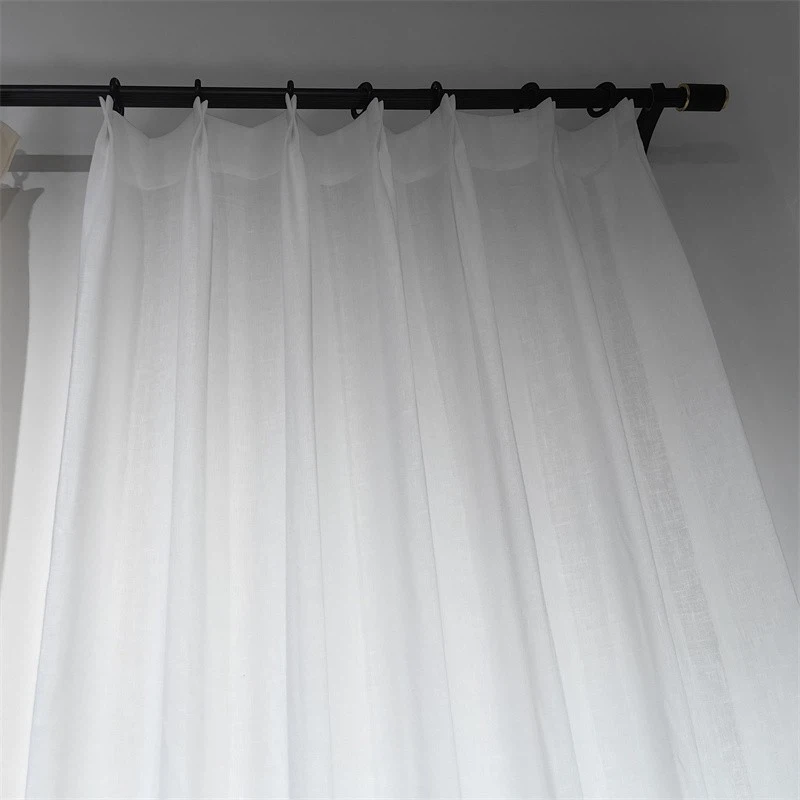

Now, let’s get into practical tips for using linen sheers in a nautical space, since picking the fabric is only half the battle. First, hang them high—way above the window frame, almost touching the ceiling. This tricks the eye into thinking the ceiling is higher, which makes the room feel more open, like a beach bungalow should. Second, keep the color palette muted. Soft whites, pale grays, or even a very subtle ocean blue work best. Avoid bright reds or dark blues because they’ll make the space feel smaller and heavier. Third, pair them with lightweight curtain rods—no thick, bulky metal rods. Go for a thin wooden rod or a simple chrome rod that doesn’t distract from the fabric. Fourth, embrace the wrinkles! Nautical style isn’t about perfection, so if your linen sheers have a few gentle creases, that’s part of the charm. No need to iron them every week.
If you’re still on the fence about linen, remember that it’s a sustainable choice too. More and more people these days care about where their home goods come from, and linen is a natural, biodegradable fiber that uses less water and chemicals to produce than cotton. That’s a big plus for eco-conscious homeowners, which fits perfectly with the relaxed, nature-focused nautical lifestyle. Our Linen Sheer Curtains are made with 100% pure OEKO-TEX certified linen, so you don’t have to worry about harmful chemicals leaching into your space—safe for kids, pets, and anyone with allergies.
Wait, what about maintenance? I mentioned earlier that linen can be high-maintenance, but it’s actually pretty easy if you follow a few rules. You can machine wash linen sheers on a gentle cycle with mild detergent, and tumble dry on low—just take them out while they’re still slightly damp and hang them up, and the wrinkles will smooth out on their own. No need for a full iron, unless you want a super crisp look, which most nautical spaces don’t need. And if you do get a stain from salt or a drink, treat it right away with a gentle stain remover—linen is pretty durable if you catch it early.
Let’s circle back to the original question: Are linen sheer curtains good for a nautical-style room? The answer is a resounding yes—with a little nuance. They check all the boxes that nautical design requires: light, air, texture, a relaxed vibe, and connection to the outdoors. If your space has a lot of moisture or you want extra durability, we’ve got other sheer options that work too, like our Cotton Polyester Sheer Curtain or Polyester Sheer Curtain, but linen is the gold standard for that authentic, breezy nautical feel.
If you’re ready to pull the trigger on sheers for your nautical space, or want to chat about which option works best for your specific space, feel free to reach out. Whether you’re decorating a small apartment by the lake, a big beach house, or just a home that wants that coastal vibe, we’ve got you covered. You can browse our full selection of sheer curtains to see all the styles and blends we offer, and if safety is a concern, don’t forget to check out our Flame Retardant Sheer Curtain line for peace of mind. Don’t overcomplicate it—nautical style is about feeling relaxed and at home, and the right sheers are a big part of that. Just pick something that lets the light in, feels soft, and matches the natural feel of your space, and you’ll be good to go.
I'm always here to answer questions, help you pick the right curtains, or even give small styling tips for your nautical room. Reach out to start a conversation about what works best for your space.
References
- National Trust for Historic Preservation. (2022). Coastal home design trends: Nautical style reimagined.
- Textile Institute. (2021). Performance characteristics of linen and blend fabrics for residential window treatments.
- American Forest & Paper Association. (2023). Sustainable fiber choices for home textiles: Linen vs. synthetic alternatives.
- OSHA. (2022). Flame retardant requirements for residential window coverings in high-moisture areas.
- Interior Design Magazine. (2023). 2024 home design guide: Light filtration for small coastal spaces.